
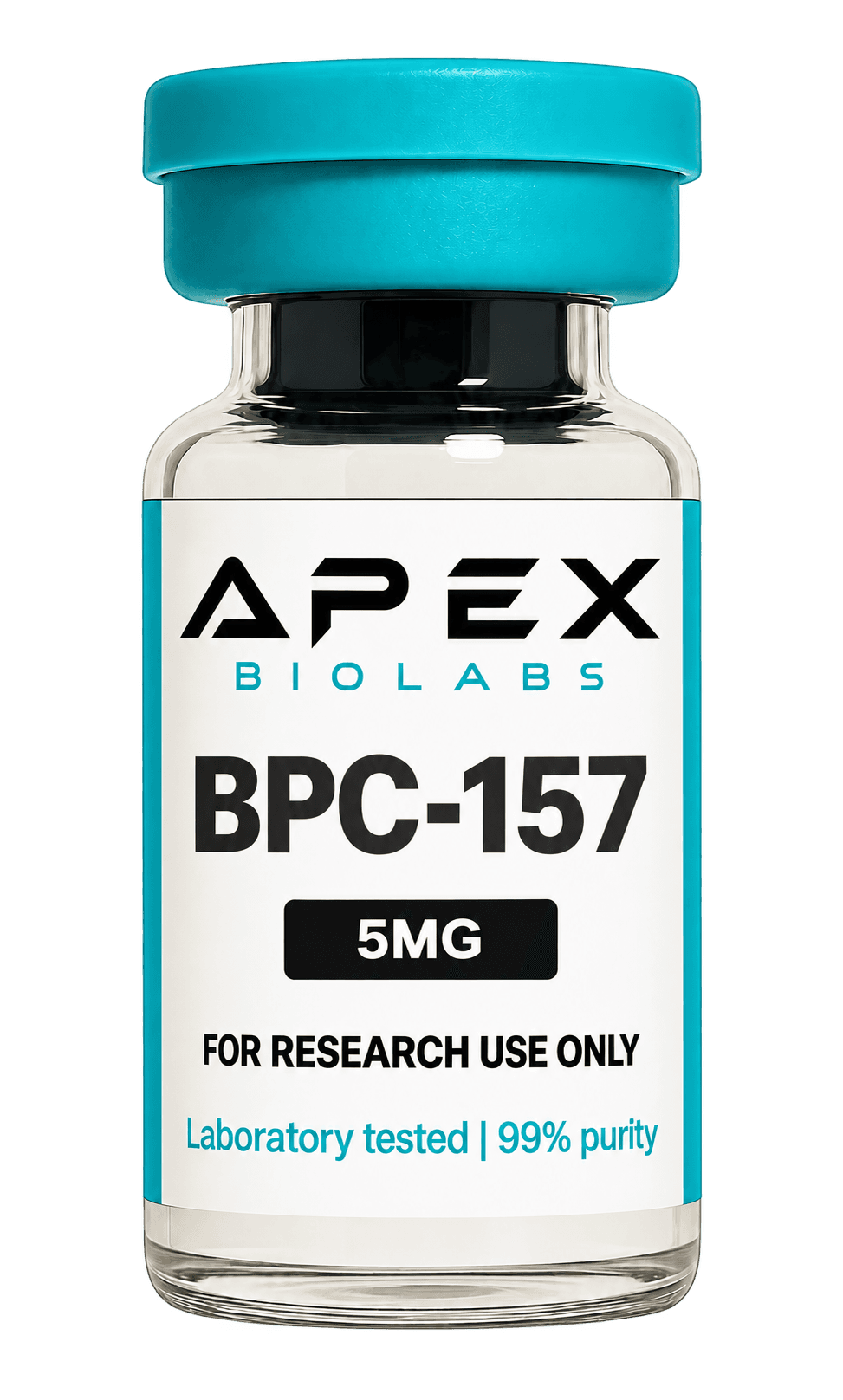
BPC-157
€45.99
€34.98Select Size
BPC-157 is a pentadecapeptide consisting of 15 amino acids, derived from a protective protein found in the stomach. Extensively studied for its role in tissue repair, angiogenesis, and gut health. 99.9% purity verified by Janoshik Analytical.
Bundle & Save
After submitting, WhatsApp will open with your order pre-filled. We will confirm and send payment details.
BPC-157
BPC-157 is a synthetic research peptide used in scientific contexts to study fundamental biological processes. In research, this peptide is known for its possible involvement in tissue repair processes, cell migration and regulation of biochemical signals. BPC-157 is not approved by any regulatory authority and is intended solely for research use.
BPC-157 is part of the high-quality research peptide range within the recovery and regeneration category. The product is designed for professional use in laboratories and R&D environments, such as in vitro experiments, analytical applications and method development.
Scientific Background
BPC-157 is derived from a portion of the endogenous peptide BPC, a gastric juice protein, and is used in research to analyse the biochemical signalling pathways associated with tissue communication and repair processes. Various publications describe interactions with cellular networks, angiogenesis and modulation of local microenvironments in experimental models.
Due to these properties, BPC-157 is regularly studied in combination with other peptides such as TB-500 within compound research settings, for example the Wolverine Stack (BPC-157 and TB-500).
Potential Research Areas and Effects
In controlled research designs, BPC-157 has been studied in various experimental contexts. Key research areas include:
Tissue repair and regeneration
Experimental models aimed at soft tissue repair following damage.
Cell migration
Study of cell movement within experimental environments.
Angiogenesis
Research into the formation of new blood vessels within predefined models.
Biochemical signal modulation
Analysis of the effects of BPC-157 on local cellular and molecular signals.
These research areas are based on scientific literature and preclinical data and serve solely as context for research in controlled environments.
Safety and Research Context
BPC-157 is not regulated for pharmaceutical applications and is not intended for clinical or veterinary use. It is intended exclusively for professional research in laboratories and R&D environments.
For research purposes only
Suitable for in vitro research and analytical testing
Use in accordance with internal laboratory protocols
Keep out of reach of unauthorised persons
Frequently Asked Questions about BPC-157
What is BPC-157?+
BPC-157 is a synthetic peptide used as a research substance in scientific studies of cellular processes and tissue communication.
What is BPC-157 being studied for?+
The peptide is being investigated in relation to tissue repair, cell migration, angiogenesis and biochemical signal modulation in preclinical and in vitro models.
Is BPC-157 approved?+
No. BPC-157 is not approved by any drug regulatory agency and is intended solely for research use.
How does BPC-157 differ from TB-500?+
BPC-157 is being studied for its specific interactions with biochemical signals and repair processes, while TB-500 is studied primarily for cell migration and regenerative mechanisms.
Can BPC-157 be combined with other peptides?+
In research, BPC-157 is sometimes combined with other peptides such as TB-500 in compound research designs such as the Wolverine Stack.
Where does BPC-157 fit within the peptide range?+
BPC-157 falls within the repair and regeneration category and is a central component of peptide research focused on tissue and cellular processes.
Related Products
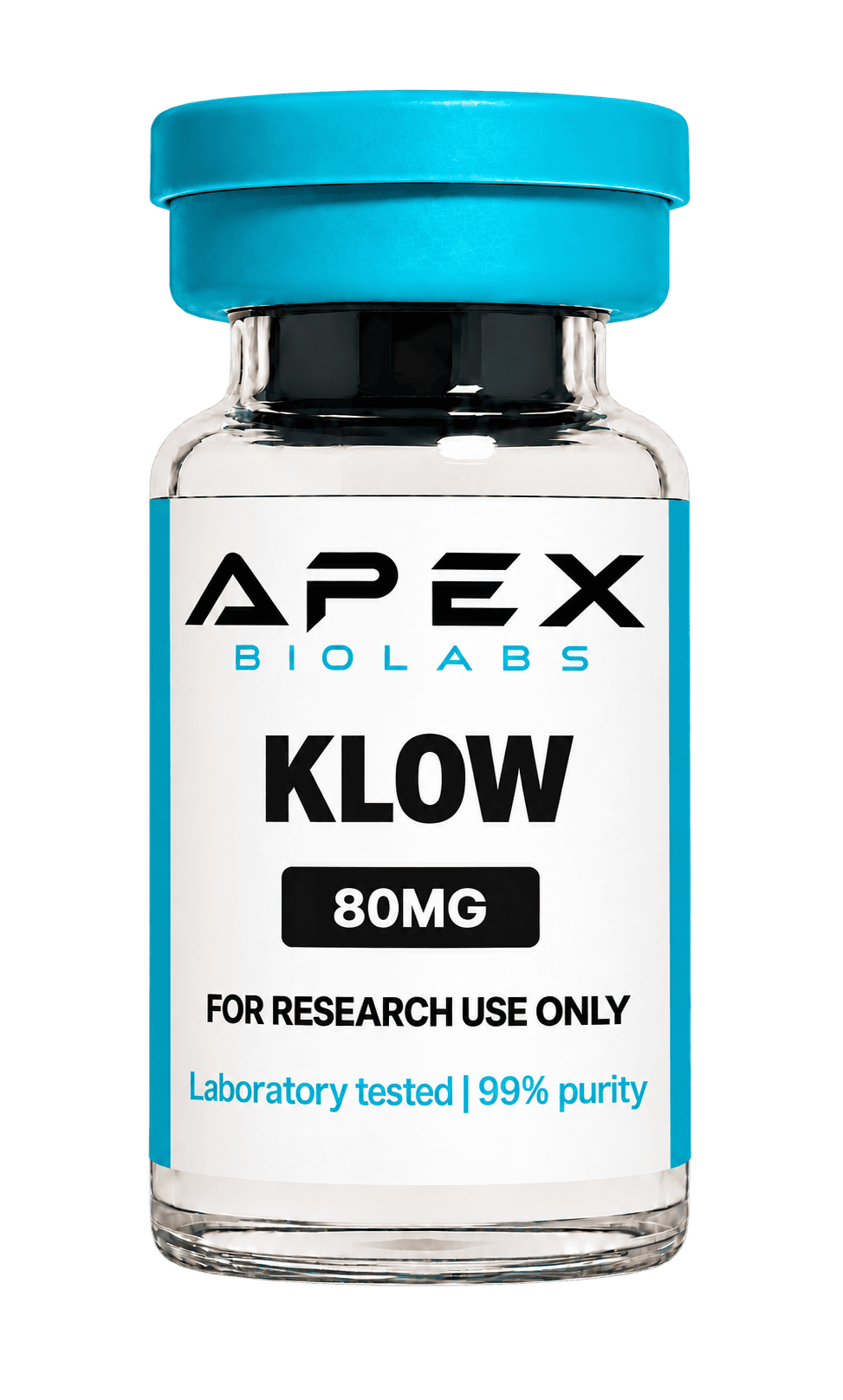
KLOW 80mg Pen
KLOW 80mg prefilled pen. 1 × 80mg. For research use only.
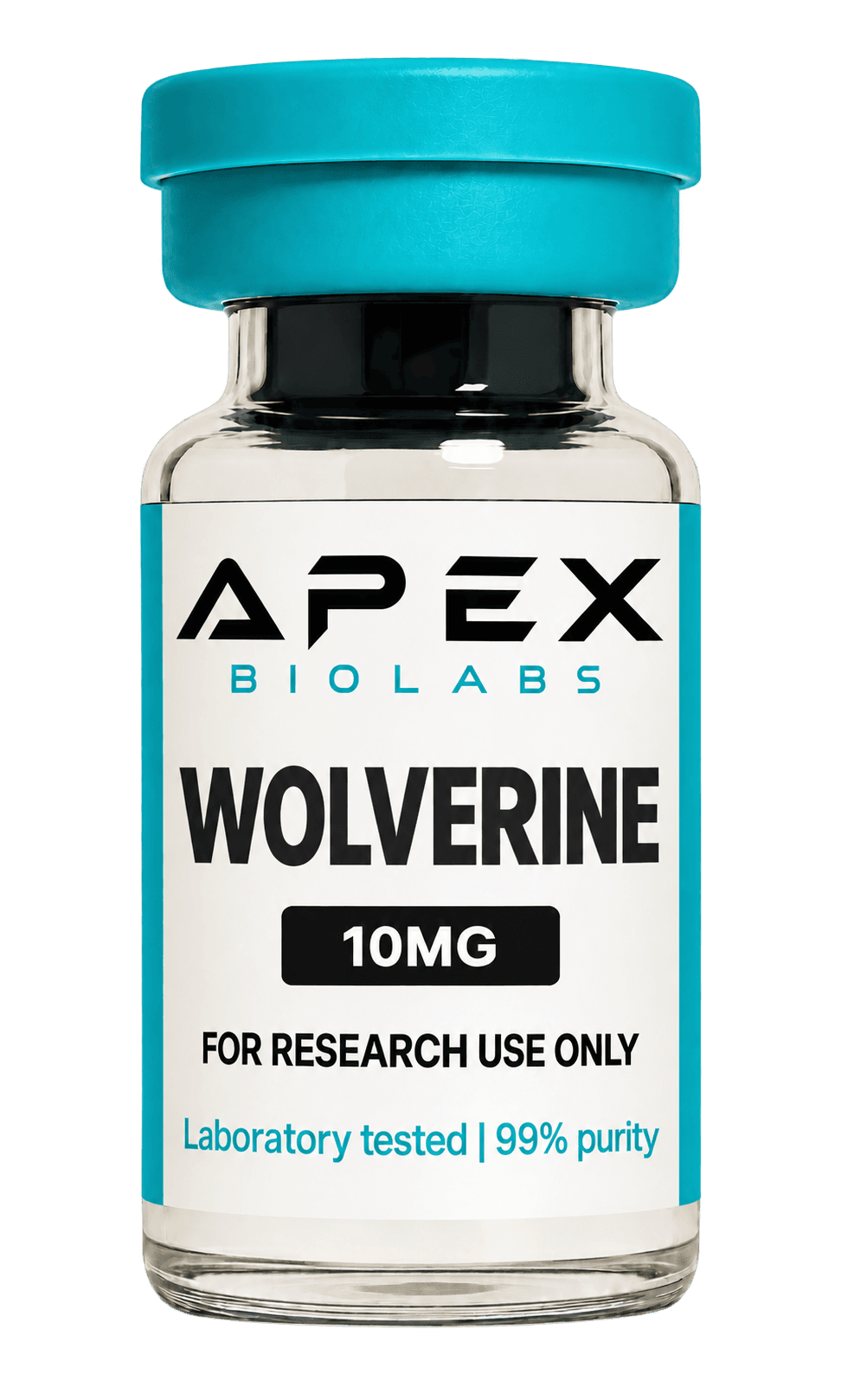
Wolverine Stack
Advanced BPC-157 + TB-500 combination vial for tissue regeneration research.
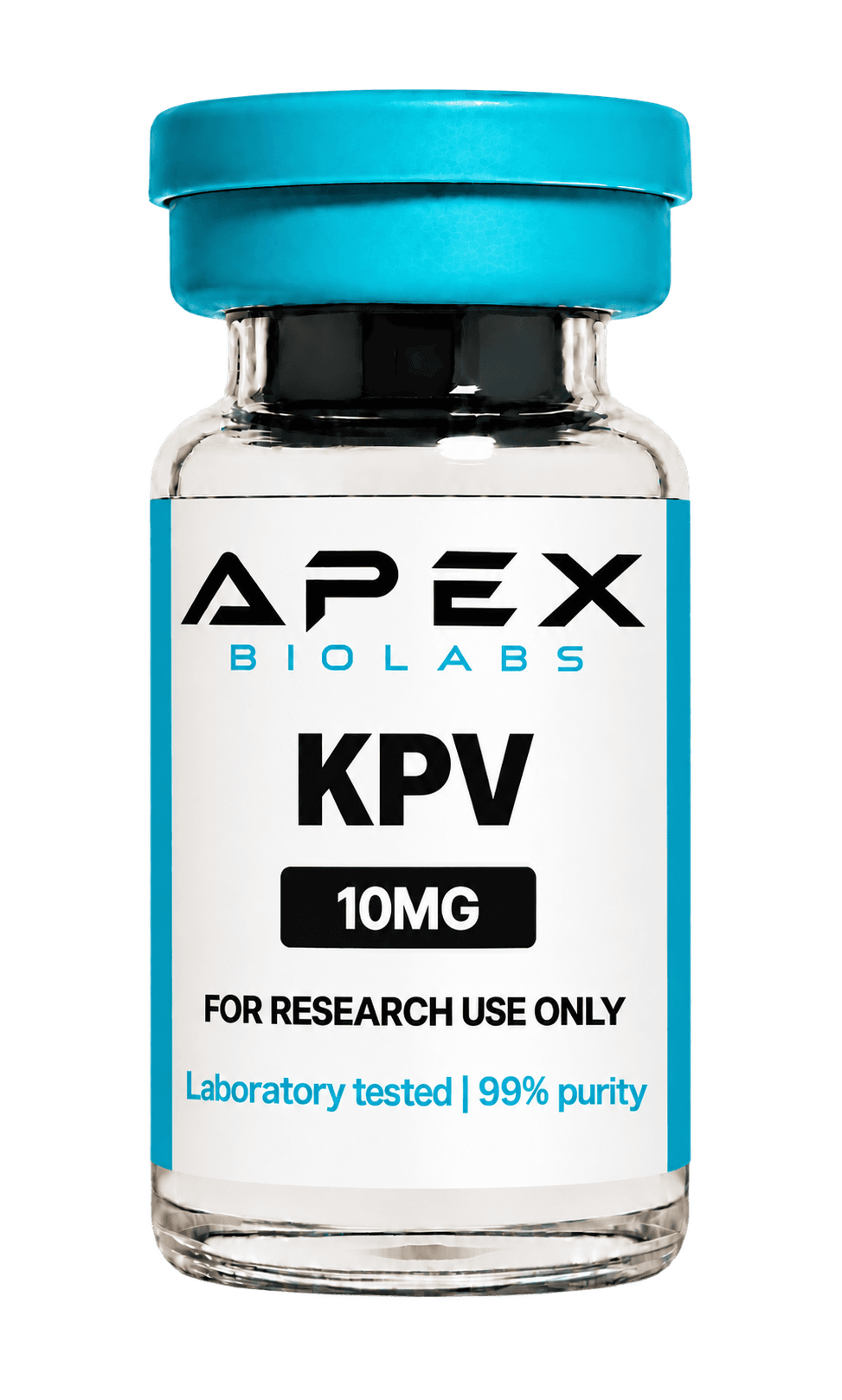
KPV
Anti-inflammatory tripeptide for gut health and wound healing research.
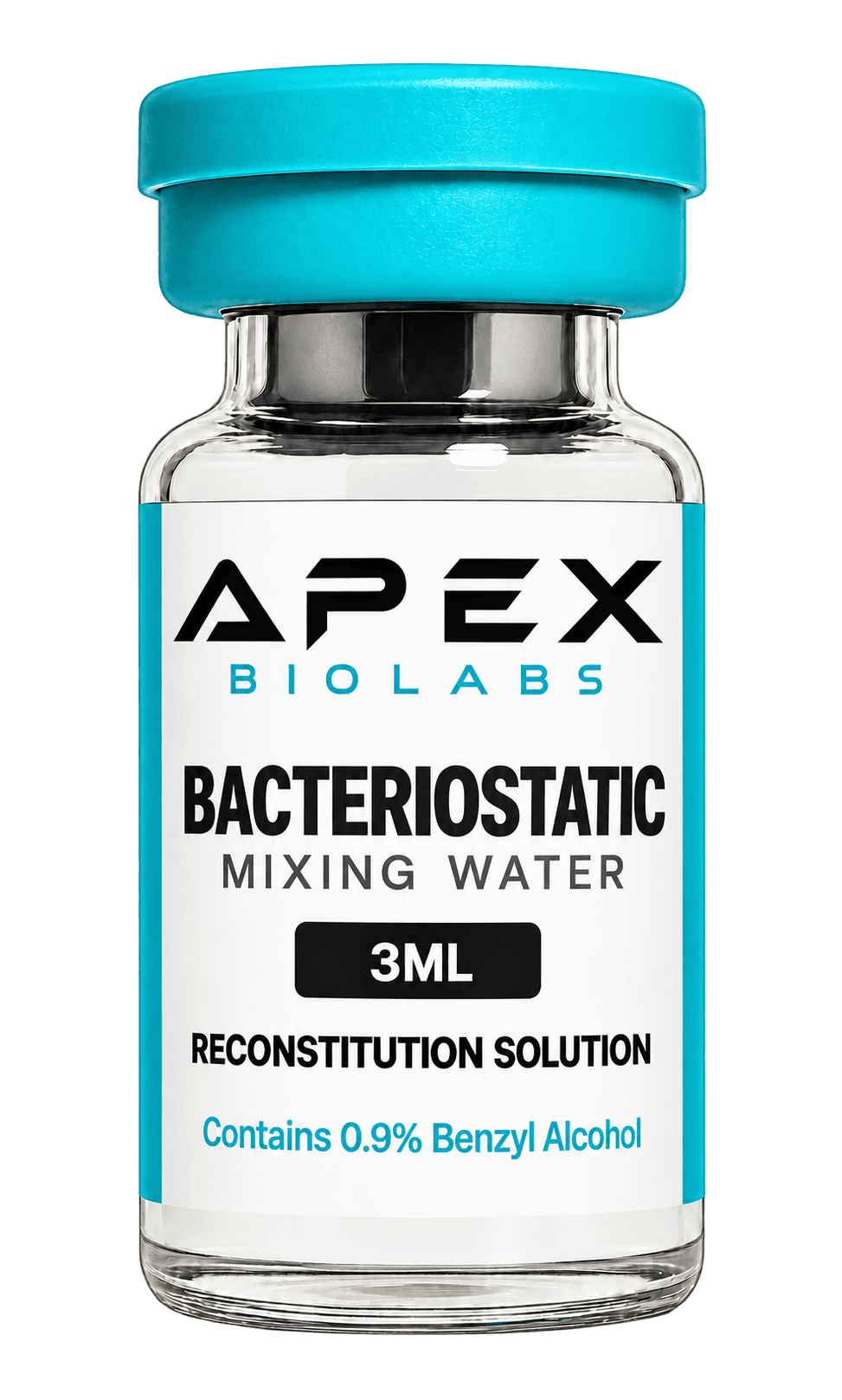
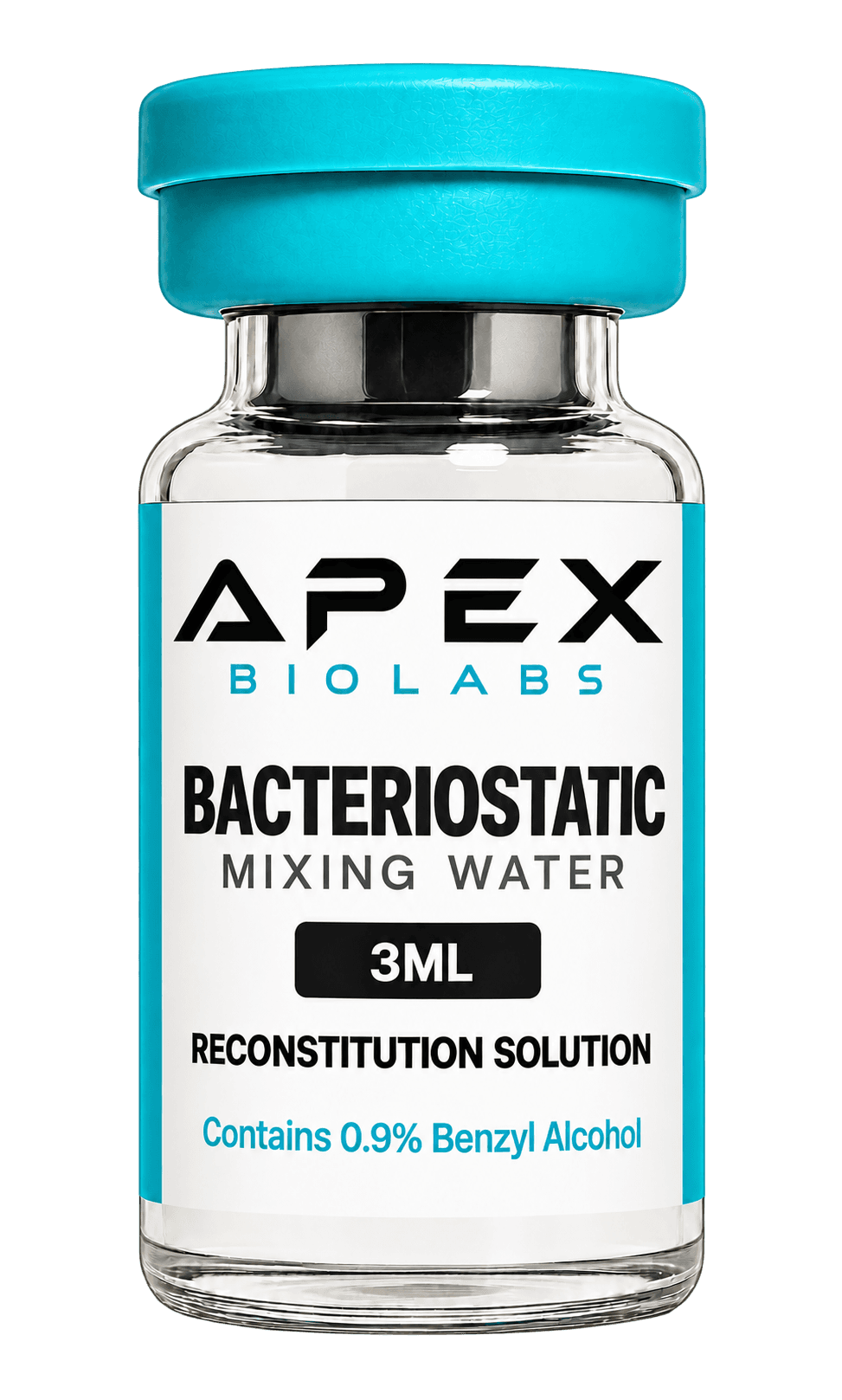
Bacteriostatic Water(3ml / 10ml)
Sterile bacteriostatic water for peptide reconstitution.