
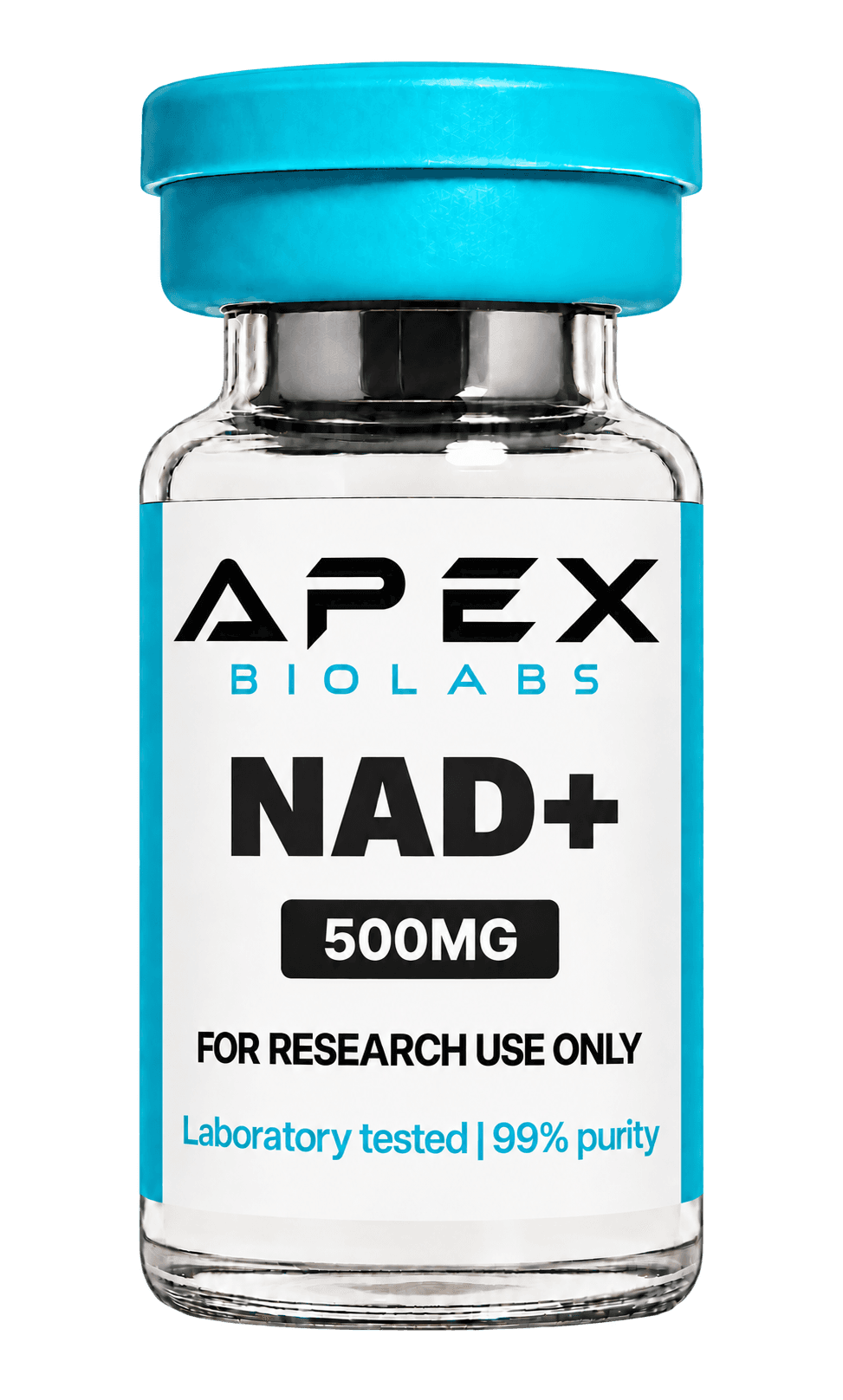
NAD+
€71.99
€54.98Select Size
NAD+ (Nicotinamide Adenine Dinucleotide) is a coenzyme found in all living cells, essential for energy metabolism and DNA repair. Studied for its role in cellular longevity and anti-aging research. Supplied as a lyophilized powder.
Bundle & Save
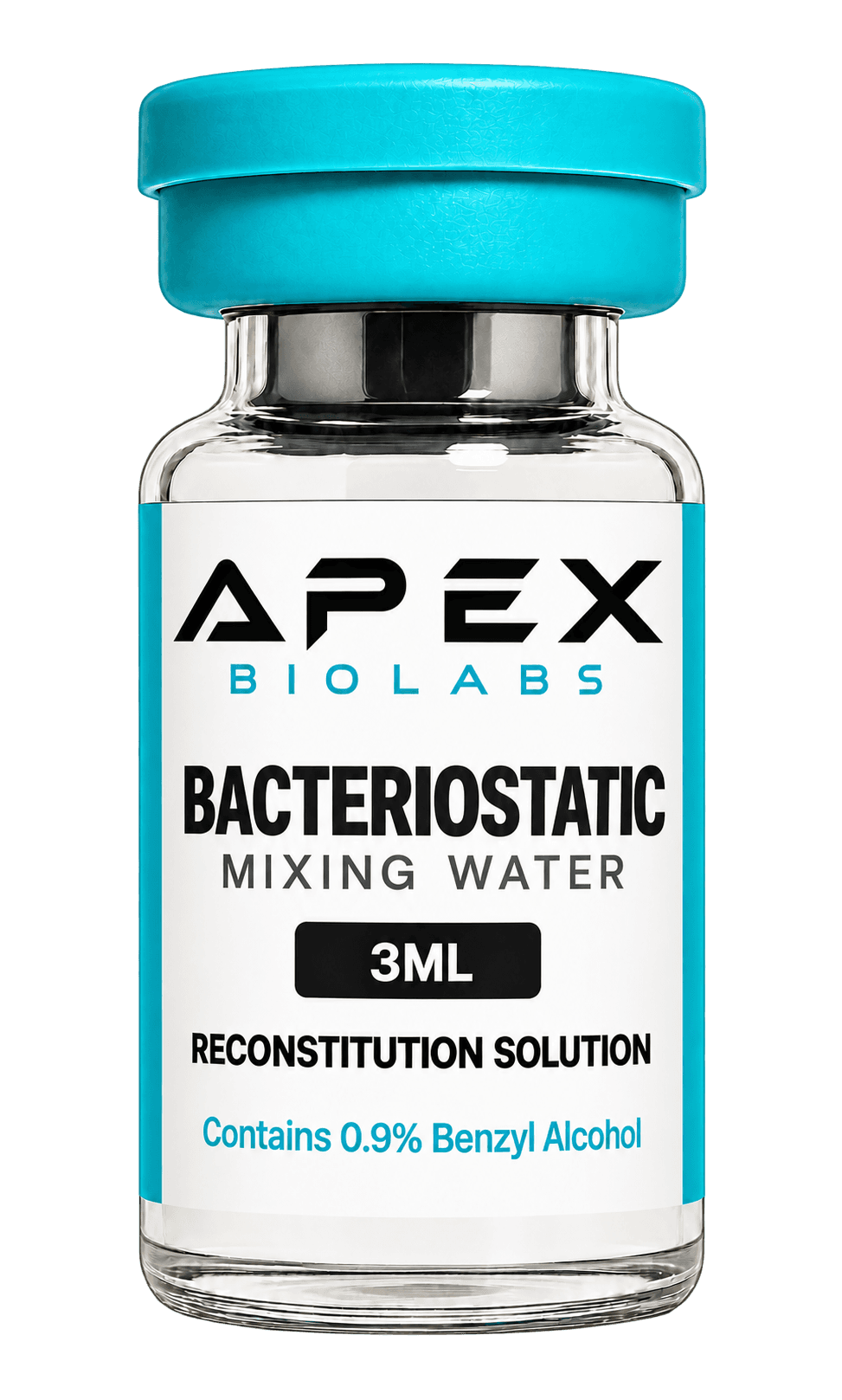
After submitting, WhatsApp will open with your order pre-filled. We will confirm and send payment details.
NAD+
NAD+ (Nicotinamide Adenine Dinucleotide) is an essential coenzyme present in all living cells. In biochemistry, NAD+ is considered a key cofactor in redox reactions, with a continuous cycle between NAD+ and NADH. This cycle is essential for mitochondrial energy production and metabolic flux. In addition, NAD+ serves as a substrate for enzymes such as sirtuins and PARPs, which are involved in DNA repair, gene expression and stress response.
This broad biological involvement makes NAD+ a key focus in research on cellular ageing, metabolic dysregulation and neurodegenerative processes. However, the clinical application of this fundamental knowledge is still under development. This product is intended exclusively for professional research in controlled laboratory environments.
Scientific Background
NAD+ occupies a central position in cellular metabolism as a hydride acceptor in catabolic reactions (glycolysis, TCA cycle, beta-oxidation) and as a donor in anabolic and repair processes. The ratio of NAD+/NADH is a key indicator of cellular redox state and metabolic activity.
Beyond its role as a redox carrier, NAD+ is consumed as a co-substrate by sirtuins (SIRT1-7) and PARP enzymes. These enzyme families regulate a broad spectrum of cellular processes, including chromatin remodelling, mitochondrial biogenesis, apoptosis and the DNA damage response. The age-related decline in NAD+ levels observed in preclinical models has made this molecule a central focus of longevity and ageing research.
Potential Research Areas and Effects
In controlled research designs, various research observations for NAD+ have been described. These are based on exploratory preclinical and clinical data:
Cellular energy management
Analysis of ATP production and mitochondrial efficiency.
DNA repair and cell protection
Research into NAD+-dependent recovery pathways and stress adaptation.
Ageing mechanisms
Study of sirtuin activity and age-related metabolic changes.
Cognition and brain metabolism
Exploratory research into neuroprotective and metabolic processes in the brain.
Metabolic regulation
Analysis of insulin sensitivity, glucose metabolism and fat burning.
These findings come solely from a research context and do not constitute evidence of safety or efficacy outside the laboratory.
Safety and Research Context
NAD+ is not approved for therapeutic applications in the form presented here and falls outside regulated clinical use. This product is intended exclusively for professional research in controlled laboratory environments.
For research purposes only (e.g. in vitro and analytical applications)
Not intended for clinical or veterinary use
Do not use as a medicament, supplement or performance enhancer
Keep out of reach of unauthorised persons
Use outside a research context may generate unpredictable risks and is considered irresponsible
Frequently Asked Questions about NAD+
What is NAD+?+
NAD+ is an essential coenzyme involved in redox reactions, energy production and cell repair processes.
What is NAD+ being studied for?+
NAD+ is being studied in relation to ageing, metabolism, mitochondrial function and cognitive processes.
Is NAD+ approved?+
No. NAD+ in this form is not approved as a therapeutic product and is intended solely for research purposes.
How does NAD+ differ from NADH?+
NAD+ is the oxidised form, while NADH is the reduced form; both forms play a role in cellular energy transfer.
What type of research is NAD+ suitable for?+
NAD+ is suitable for fundamental and applied laboratory research in biochemistry, cell biology and metabolism.
Where does NAD+ fit within the peptide range?+
NAD+ falls within the energy and mitochondria segment and is a logical part of research on cellular energy and stress response.
Customer Reviews
Be the first to leave a review.
WRITE A REVIEWRelated Products
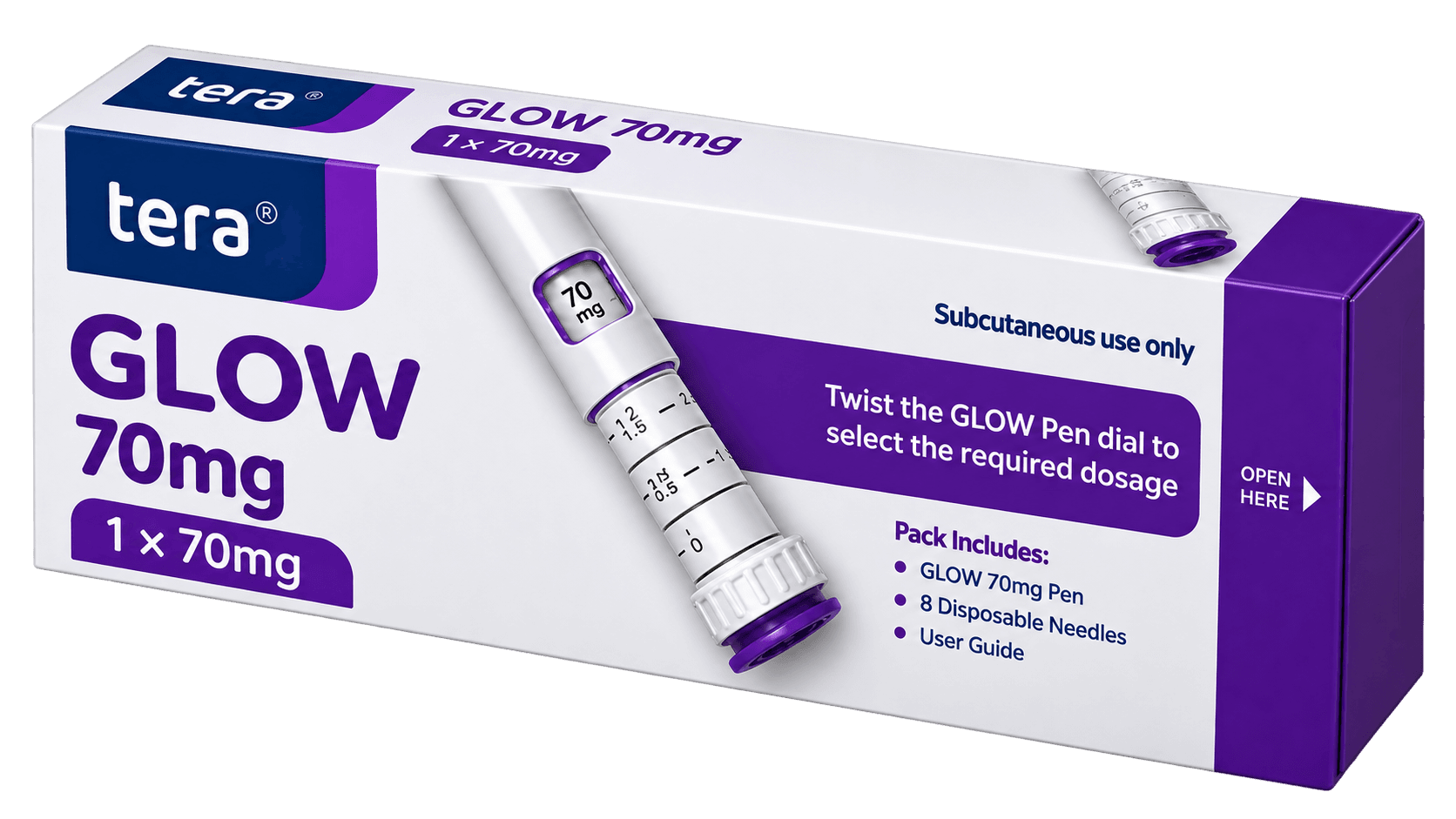
GLOW 70mg Pen
GLOW 70mg prefilled pen. 1 × 70mg. For research use only.
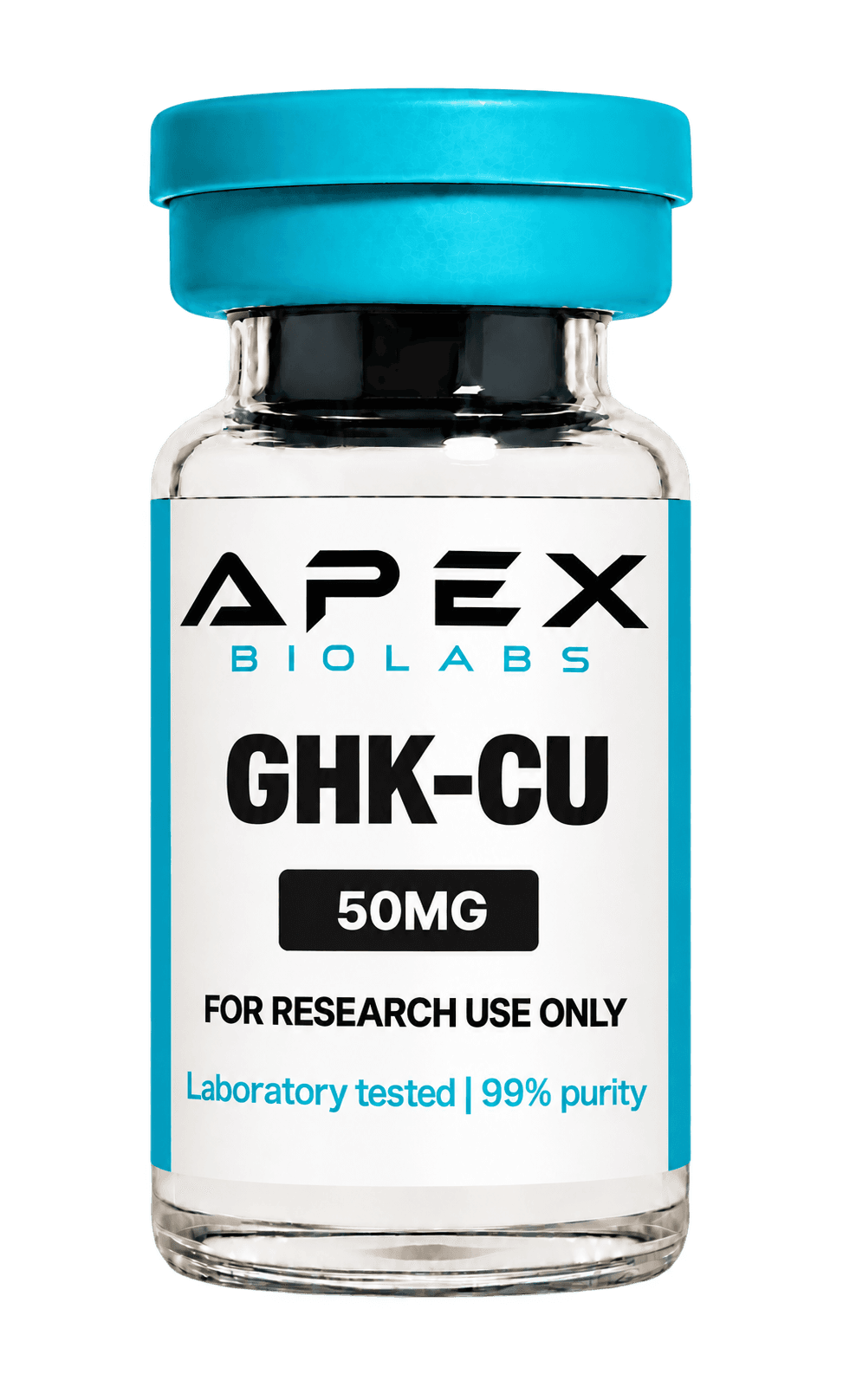
GHK-CU(50mg / 100mg)
Copper Tripeptide GHK-Cu for skin regeneration, wound healing and anti-aging research.
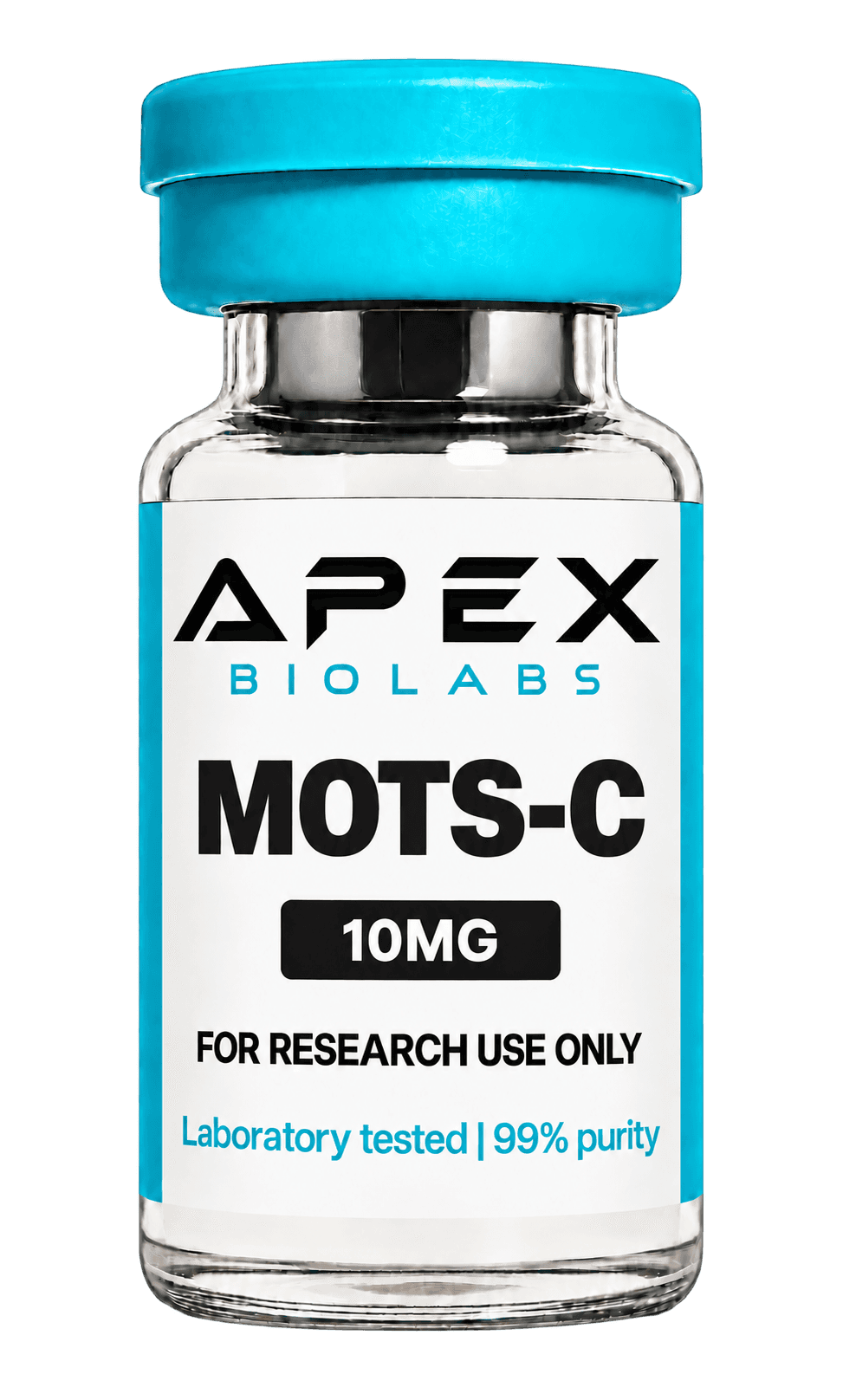
MOTS-C(10mg / 40mg)
Mitochondrial peptide for metabolic regulation and longevity research.
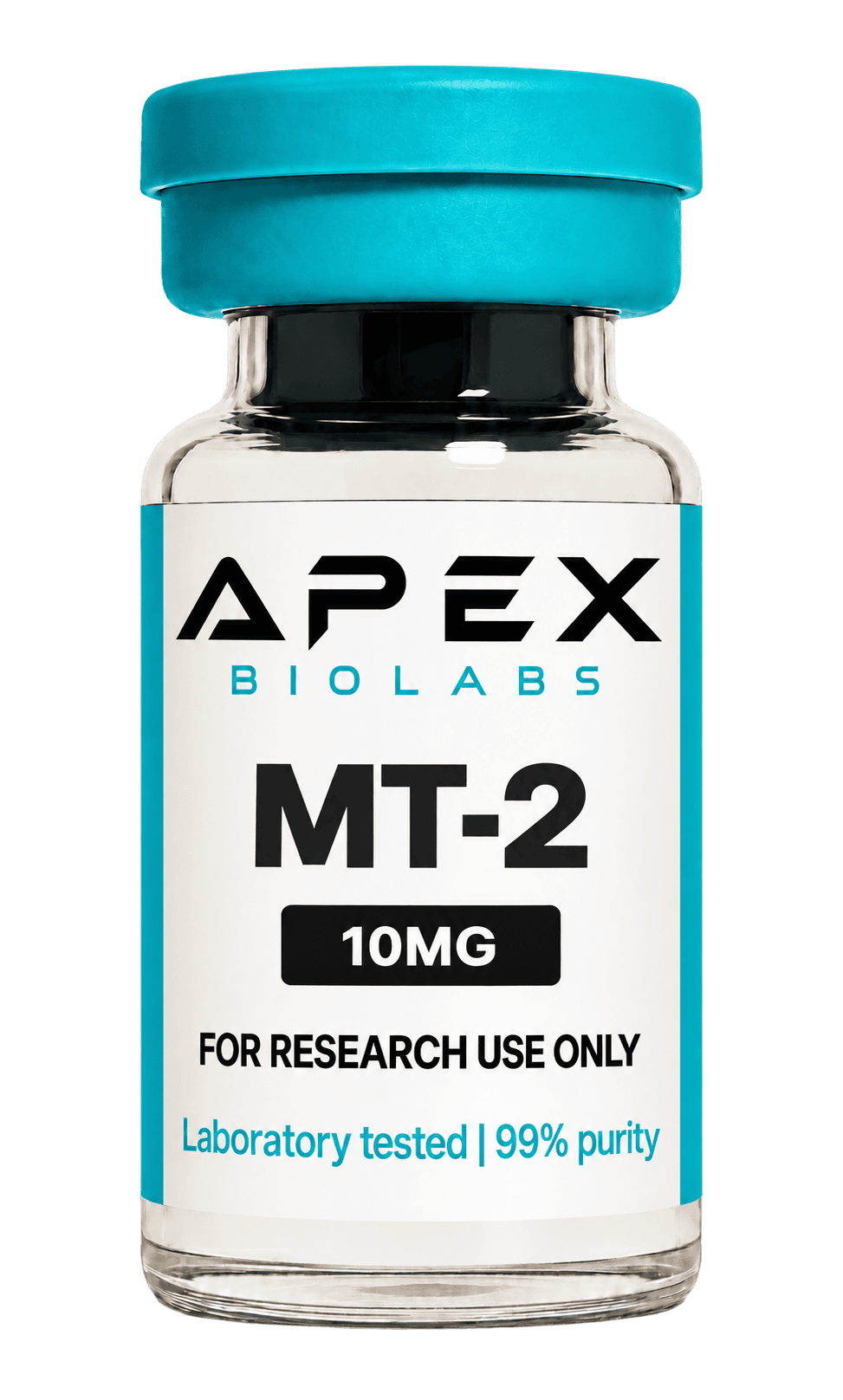
Melanotan II 10mg
Melanocortin receptor agonist for skin pigmentation and tanning research.